About the area
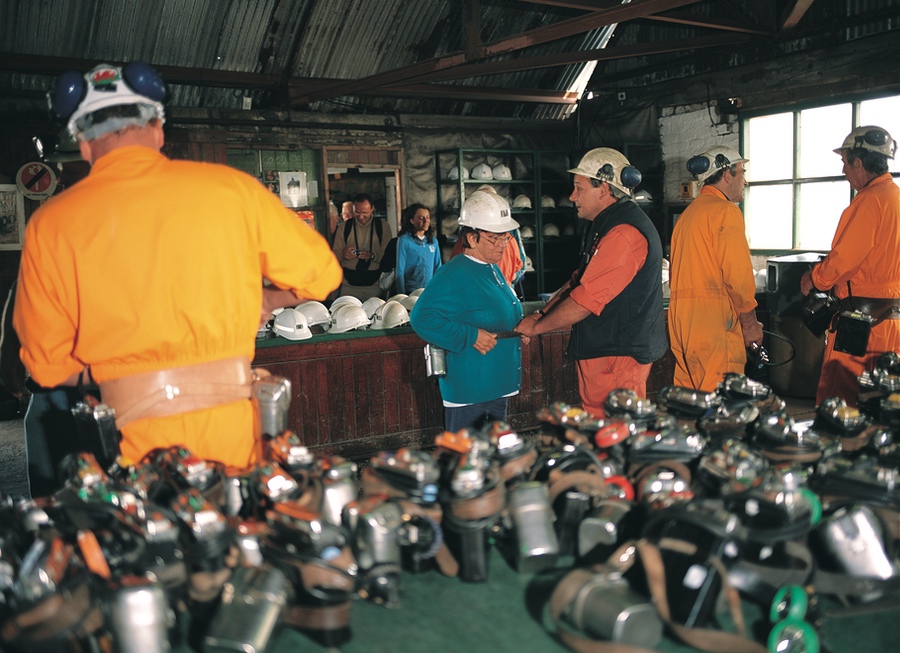
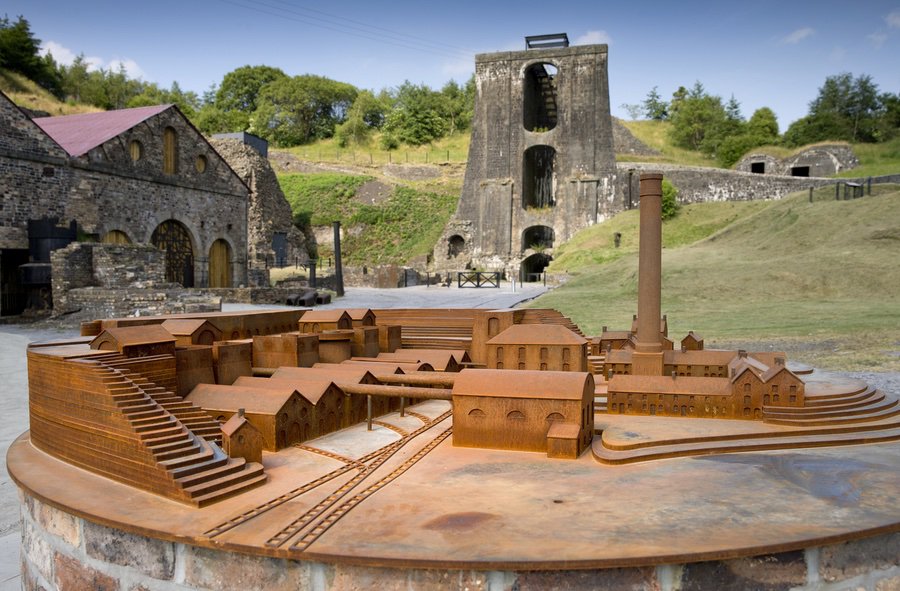
On the edge of the South Wales Coalfield, the area is known for its production of iron, and later coal. In the north of the area is Blaenavon Industrial Landscape, a UNESCO World Heritage Site which includes Big Pit National Coal Museum (where you travel 100m underground to discover what it was like to be a miner) and Blaenafon Ironworks where the process of making iron can be explored. There is also the Blaenavon Heritage Railway, Heritage Centre and the early industrial town.
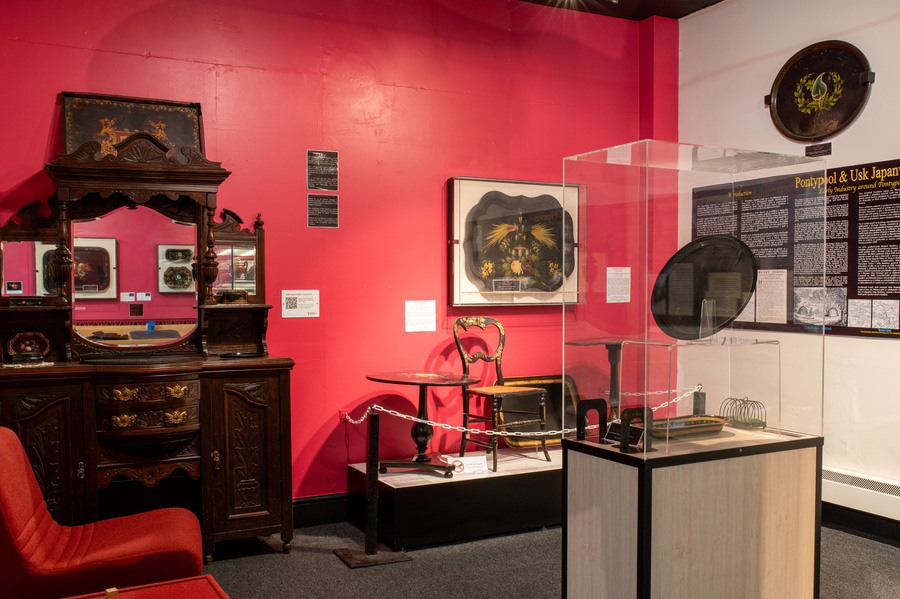
To the south Pontypool has a wonderful park in the centre of the town, which was originally the private grounds for the Ironmaster; the museum, with a fantastic collection of Pontypool Japanware is in the former stable block. The canal then runs south, passing Cwmbran, a new town that has just celebrated its 65th anniversary. The Parkway Hotel and Spa, a great base for exploring the area is on the outskirts of the town.

Fascinating Facts

Location
Places in
Torfaen

Blaenavon was an iron town, with the first ironworks opening in 1788. Sidney Gilchrist Thomas developed the Basic Steel production process here in 1878, which was key in the development of the steel industry in USA. The town moved to coal production, and you can now go 100m underground at Big Pit National Coal Museum. Along with the ironworks, workmen’s hall, former school, steam railway and the industrial housing, Blaenavon was designated a UNESCO World Heritage Landscape in 2000.
Cwmbran is a new town founded in 1949. The modern shopping centre has lots of artwork integrated into the design. On the hills around the town there is evidence of Bronze Age and Iron Age occupation, and there was a Cistercian abbey and many early farms nearby.
Pontypool is one of the earliest industrial towns in Wales, with iron smelting staring in the early 15th century. The Hanbury family developed the areas industries including the introduction of the first rolling mills to create tinplate. They lived in what is now Pontypool Park which was donated to the people of the area in 1920. The museum is in the former stable block and has a fantastic display of Pontypool Japanware, where iron plate was lacquered and decorated. The town is also famous for the “Pontypool front row”, a key part of the Wales Rugby team in the 1970’s.
Places to stay and things to do

Blackthorn Lodge
Blackthorn Lodge - 2 bedroomed, full-size non-smoking, detached country bungalow set in just under 2 acres of grounds. It offers a private garden with a Jacuzzi Spa hot tub, Red Cedar Barrel Sauna, a log burner and a children's play area.
Tŷ Odyn, Cilsant Barn
Atmospheric & quiet rural setting surrounded by farmland and open fields, yet easily accessible and close to work, leisure and entertainment resources. The accommodation is currently set up with very comfortable twin single beds. The emphasis is on comfort, cleanliness and tranquility. The surrounding area is truly an under discovered destination for nature, cycling, hiking, entertainment, city life. All within easy reach from Ty Odyn.

Hawthorn Lodge
Hawthorn Lodge is a 2 bedroomed, Visit Wales 4 Star graded, full-size detached country bungalow is set in just under 2 acres of grounds - which it shares with our other bungalow Blackthorn Lodge. Situated in the rural village of Coed y Paen
Llandegfedd Activity Centre
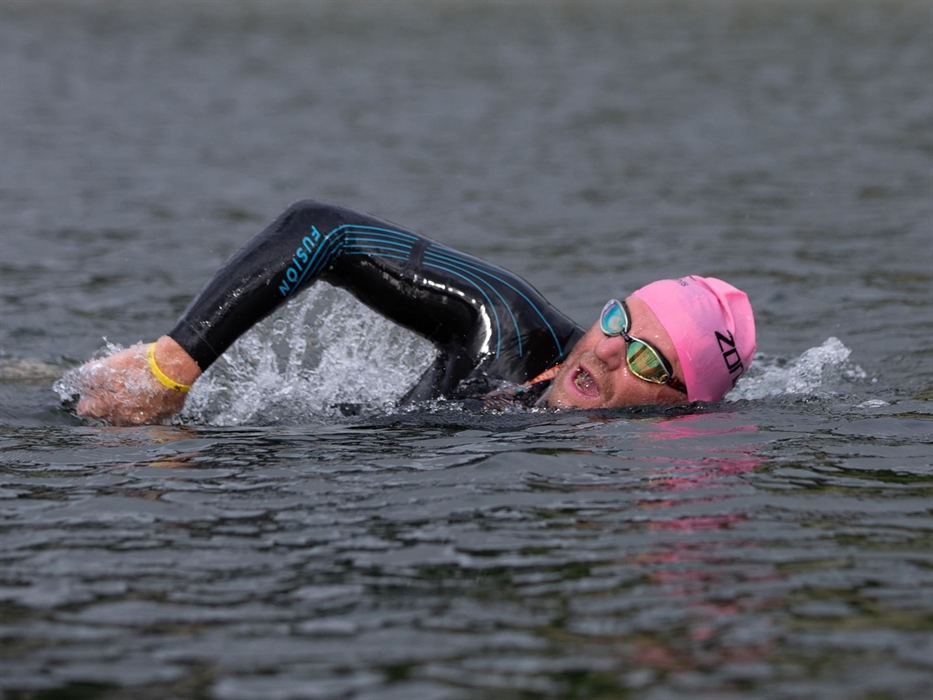
Set in the beautiful, rolling landscape alongside the Usk Valley right on the Monmouthshire/Torfaen border, Llandegfedd Lake is a hub for health, wellbeing and recreation just twenty miles from Cardiff.
Kilted Dragon Distillery
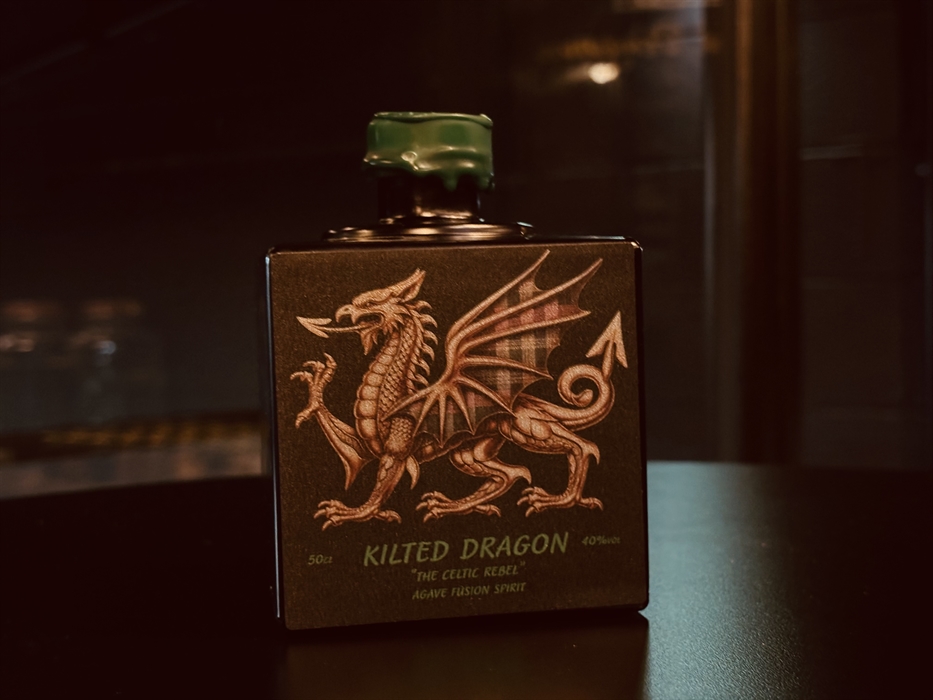
A family‑run Welsh distillery celebrating Celtic heritage through bold, modern spirits. Our onsite tastings and masterclasses deepen customer engagement and showcase the craft behind every bottle. With a selection of Spirits & Liqueurs Vodka, Gin, Rum & Agave based we have something for everyone to enjoy
Congress Theatre
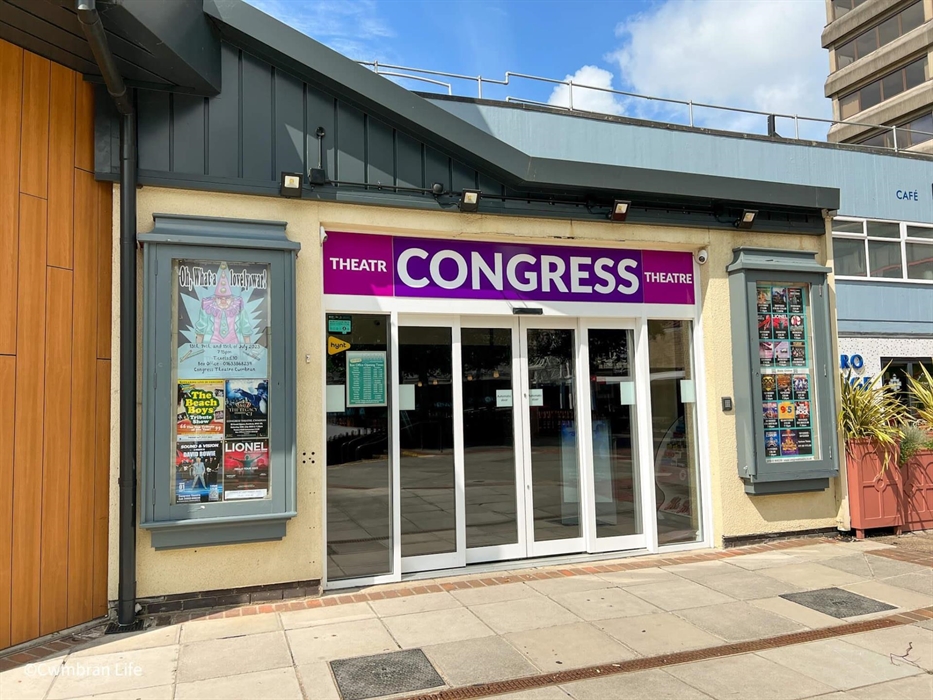
Congress Theatre Co. is a modern, live entertainment auditorium in Cwmbran with a programme of musical, theatrical and comedy, there is also a café-bar adjacent to the auditorium.[citation needed]
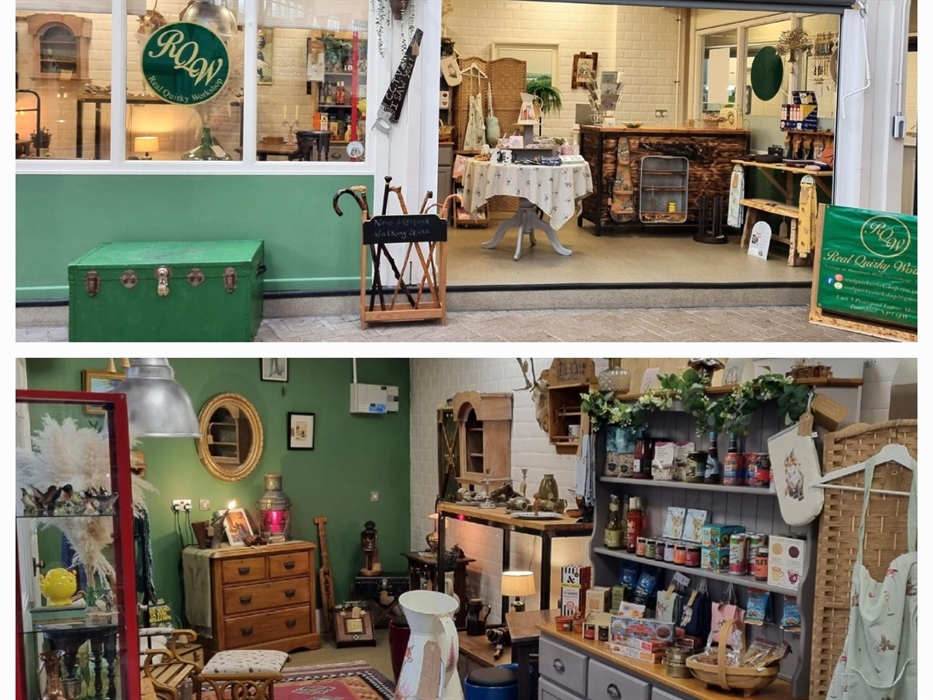
Pontypool Indoor Market
Pontypool town centre has been home to a weekly market since 1690. The existing market hall was built in the Victorian era and is home to a range of food stalls, arts and crafts, barbers and a pet stall. Open Monday - Saturday.
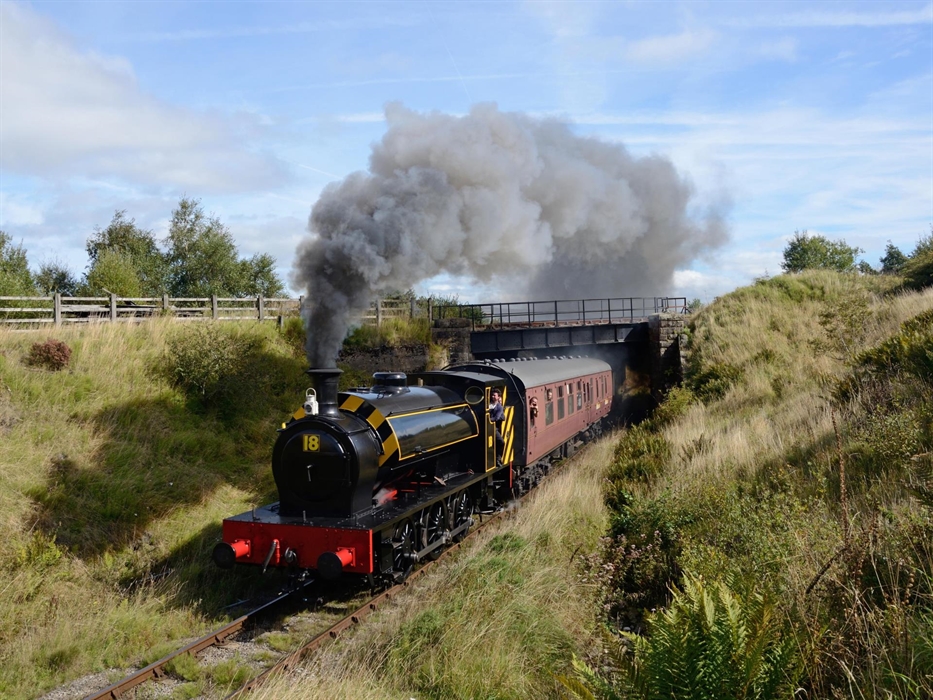
Pontypool and Blaenavon Model Railway Club
Heritage Railway located in Blaenavon, Torfaen, South Wales.

Parkway Hotel & Spa
This Four Star AA accredited Luxury Hotel situated in over seven and a half acres of gardens. The privately owned Welsh Hotel in Cwmbran is an ideal setting for both Business and Pleasure.

Cwmbran Centre
Cwmbran Centre is the very heart of the town, it offers a fantastic range of high street and designer shops, cafes and restaurants. If you're looking for fashion, we have this season’s latest trends and there's lots for the kids too.

Blaenavon World Heritage Centre
The Blaenavon World Heritage Centre is the ideal starting point for your visit to the area. Located in the sympathetically restored former St. Peter’s School, it provides an overview of the Blaenavon Industrial Landscape.
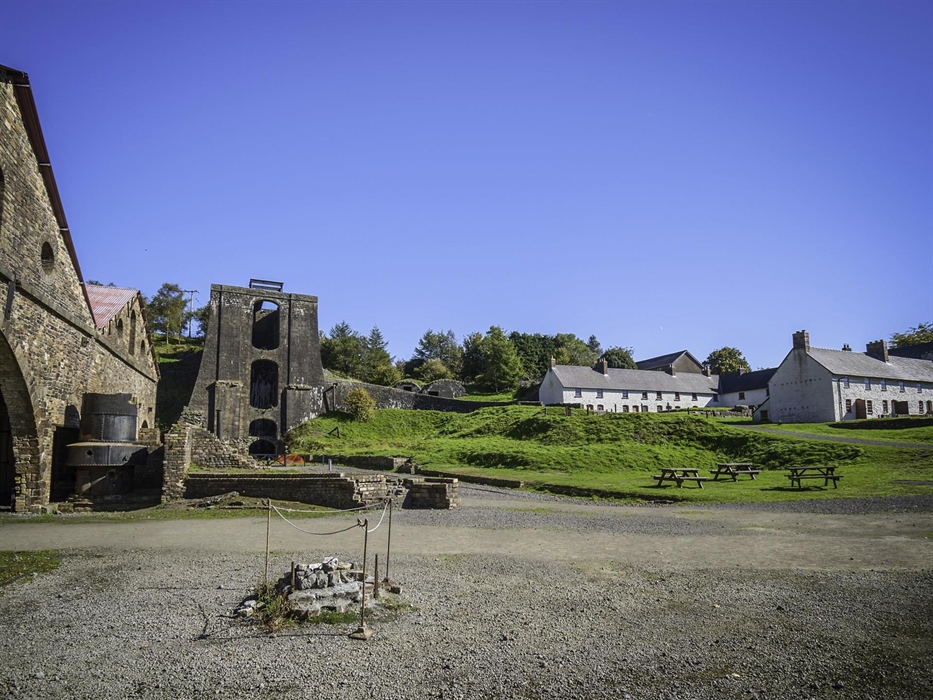
Blaenavon Ironworks
Blaenavon changed the world. These hills on the edge of the Brecon Beacons were rich with coal, limestone and iron ore – the fuel of the Industrial Revolution. From here Wales heaved and belched and blasted itself onto the global stage.

Big Pit Amgueddfa Lofaol Cymru Big Pit National Coal Museum
Discover Wales' rich mining heritage in this award-winning interactive museum is set in the Blaenafon Industrial Landscape and designated UNESCO World Heritage Site.

Blaenafon Ironworks Ragged Victorians
No one can delight and disgust quite like the Ragged Victorians, portraying the daily life of the Victorian poor and industrial workers. From Peelers to rat-catchers to bare knuckle fighters, this is the real 1800s!