The industrial story of Southern Wales
Wales - the First Industrial Nation
The history of Southern Wales is bound up in the industrial revolution, before which the area was filled with trees and the odd farmstead. Industry created communities around the ironworks, coal mines and ports. A visit to the region allows you to discover the life of the workers, the landowners and the inventors who drove developments that ensured that Wales was the first industrial nation.
This tour will take you around the region, so base yourself in Newport or Cardiff with easy access to the main roads.
Explore the industrial story of Southern Wales
Day 1
Merthyr Tydfil was known as the “Iron Capital of the World”.
Stop 1 - The town is filled with history and there are walk routes that a guide can bring to life; from Dic Penderyn and the Merthyr Rising to the first steam engine to pull a load designed by Richard Trevithick. Book a guide to show you around.
Stop 2 - Cyfarthfa Castle and Park, an imposing home built in 1825 for the Ironmaster, William Crawshay II, showing off his money and power. Now a fascinating museum with collections ranging from the first steam whistle to Egyptian grave goods; from Hoover washing machines to 20th Century oil paintings. Set within beautiful parkland.
Stop 3 - Joseph Parry’s Cottage, where one of Wales’ most famous composers was born.
Stop 4 - Hop on the Brecon Mountain Railway and enjoy the views. You can, if you want, jump off the train at Pant Station and take a walk back to the main station.


Day 2
Blaenavon, UNESCO World Heritage Landscape.
Stop 1 - Start your day at the World Heritage Centre and follow with a walkaround the town, past the chapels and churches and the rows of industrial housing.
Stop 2 - Blaenafon Ironworks were production stated in 1789; the lightshows in the casting houses gives you an insight into the danger and processes.
Stop 3 - A trip to Big Pit National Coal Museum, takes you 100m underground to discover the life of the miners. You might see the Blaenavon Heritage Railway steam across the valley.
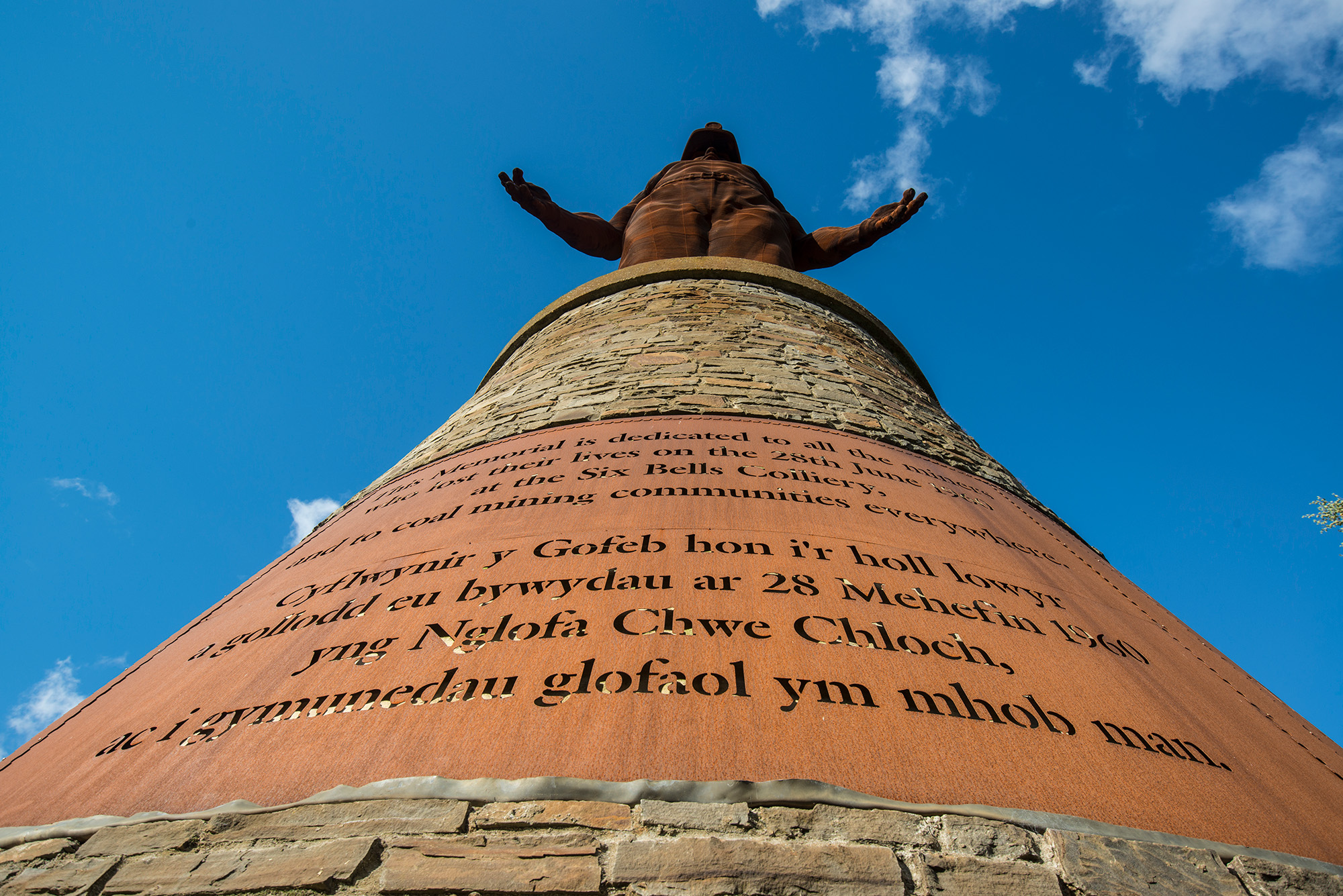
Stop 4 - Head back via Abertillery; stop at Six Bells to see Guardian, a 20m corten steel sculpture remembering the 45 men who died in the Six Bells disaster.
As you continue your journey back to your base you may well see other reminders of the areas industrial past such as the Navigation Colliery, Crumlin.
Day 3
The Rhondda Valleys are renowned for the coal industry (Black Gold) and for Male Voice Choirs. Once black with coal waste, they are now green with country parks.
Stop 1 - Visit the Pontypridd Museum, where you’ll discover how Pontypridd became a thriving industrial community.
Stop 2 - Pontypridd Bridge, that took 4 attempts to build and was for a time the longest single-span stone arch bridge in the world.
Stop 3 - Take a walk around the Ynysangharad War Memorial Park with its Lido and statue to the composers of the The Welsh national anthem, Hen Wlad Fy Nhadau ('The Land of my Fathers') Evan James and James James.
Stop 4 - A Welsh Coal Mining Experience: Rhondda Heritage Park in Porth. Here you will meet former miners and learn about their life underground. Have lunch at Caffe Bracchi.
Stop 5 - Tonypandy, famed for the riots of 1910 and 1911 were a series of violent confrontations between coal miners and police.
Stop 6 - Treorchy, another coal town, on land of the Bute estate. The community is famed for the Parc and Dare Theatre, the prize winning Male Voice Choir and Parc and Dare Band.
Stop 7 - Tower Colliery, now Zip World Tower. This which was the last deep mine in South Wales and was run by the miners.
Before travelling back you could call at Penderyn Distillery and enjoy a tour and tasting.


Day 4
The gentry who owned the land that was exploited for iron and coal wanted to ensure that their wealth was recognised, and so they invested in their homes. Today you will see some of these properties.
Stop 1 - Tredegar House and Park (National Trust) in Newport. The Morgan estate stretched across much of the Valleys. A tour of the house includes the opulent Gilt Room and the below stairs area.
Have lunch in the tearoom.
Stop 2 - Cardiff Castle is a must. The Bute family was one of the wealthiest families in the world during the 19th century, with money earn from coal. Now you can explore over 2000 years of history and the surrounding parklands.
Stop 3 - Insole Court, home to the Insole family who were pioneering coal-shippers and mine-owners. It sits in beautiful grounds and has been saved by the community, who now offer tours of the gardens and house.
All across the South Wales Valleys there are reminders of the areas industrial past - book a tour guide who has an interest in this fascinating historical period - you can refine your search on the Wales Best Guides website.
Here are some extra ways of exploring the industrial story:
- If you want to spend another day in Blaenavon then consider taking a walk though the industrial landscape.
- The Ebbw Vale/Tredegar area has a host of trails named after the iron masters who bought properity to the area.
- Take a walk around Bute Town, just off A465 near Rhymney. This unique group of industrial houses give an insight into the areas past.

The industrial story of Southern Wales
Tower Colliery, now Zip World Tower. This which was the last deep mine in South Wales and was run by the miners.
Take a walk around this historic town - there are walk routes that a guide can bring to life; from Dic Penderyn and the Merthyr Rising to the first steam engine to pull a load designed by Richard Trevithick.
Get an overview of the story of Blaenavon - follow with a walk around the town
Discover the story of this quiet town that became a major transport hub for coal
Tredegar House and Park (National Trust) in Newport. The Morgan estate stretched across much of the Valleys. A tour of the house includes the opulent Gilt Room and the below stairs area.
Home of the Crawshays and now a fascinating Museum and Art Gallery
Discover the iron making process and how the workers lived in Stack Square
At one time the longest single span bridge in the world
Cardiff Castle is a must. The Bute family was one of the wealthiest families in the world during the 19th century, with money earn from coal. Now you can explore over 2000 years of history and the surrounding parklands.
The cottage that was home to one of Wales best composers, Joseph Parry
Go 100m underground and make sure that you visit the Pit Head Baths.
Take a walk around the Ynysangharad War Memorial Park withits Lido and statue to the composers of the The Welsh national anthem, Hen WladFy Nhadau ('The Land of my Fathers') Evan James and James James.
Enjoy a steam train journey into the Brecon Beacons. Enjoy a tea or coffee stop.
An imposing memorial to the men lost in the Six Bells Mining Disaster
Tonypandy, famed for the riots of 1910 and 1911 were aseries of violent confrontations between coal miners and police.
Treorchy, another coal town, on land of the Bute estate. The community is famed for the Parc and Dare Theatre, the prize winning Male Voice Choir and Parc and Dare Band.
More Itineraries
.jpg)
Just one day in Cardiff
Experience some of the very best Cardiff has to offer - museums, castle and iconic performance venues.
.jpg)
Over 30 Castles to Explore
Defensive structures, imposing ruins and fascinating histories. The well known castles and the hidden remains across Southern Wales are great places to explore.

Group Adventures
Welcome to Croeso ’25 – a celebration of Wales that invites your group to feel the magic, the warmth, and the wonder of some of our most iconic places. From castles to coastlines, food tours to mountain trails, our new videos showcase a selection of the best group experiences Southern Wales has to offer.