A day around Tredegar, Ebbw Vale and Six Bells
Coal, Iron and Disasters
Take a tour around Blaenau Gwent, an area proud of its heritage. See the giant Guardian statue, visit beautiful parkland and historic buildings before hitting the shops.
Explore Tredegar, Ebbw Vale and Six Bells
Stop 1 – Guardian towers above the village of Six Bells and is the Guardian Mining Memorial. It commemorates the 1960 Six Bells mining disaster and was unveiled in 2010. It is surrounded by reclaimed parkland, and is often cited as being Wales' equivalent of the "Angel of the North”.
Stop 2 – The General Office, Ebbw Vale, holds the Gwent Archives & Ebbw Vale Works Museum – a great place to discover more about the industrial and human stories of the heads of the valleys area that changed so much with the Industrial revolution.
Stop 3 – Bedwellty House and Park – the most notable residents of this stunning Victorian villa were the Homfrays, a family dynasty of local ironmasters. It later became home to a succession of managers of the ironworks. It is surrounded by parkland that has unusual features such as the largest block of coal in the world, which was cut for the 1851 Great Exhibition, although it didn’t survive the journey.
Stop 4 – Parc Bryn Bach is conveniently situated just off the A465 in the heart of the South Wales Valleys, set in 340 acres of mixed grass and woodland and has a 36-acre lake as its focal point.
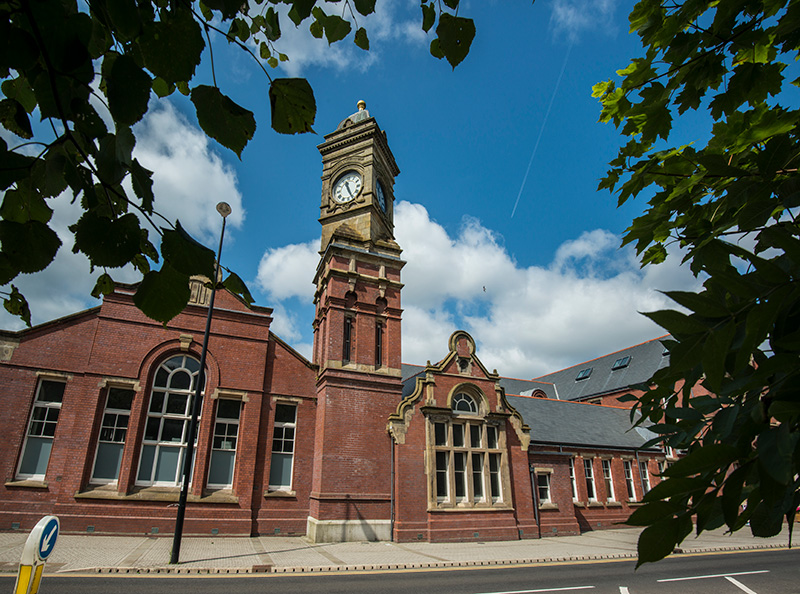
Blaenau Gwent has a rich heritage and each of the towns has its own, independent museum that you can visit to discover more:
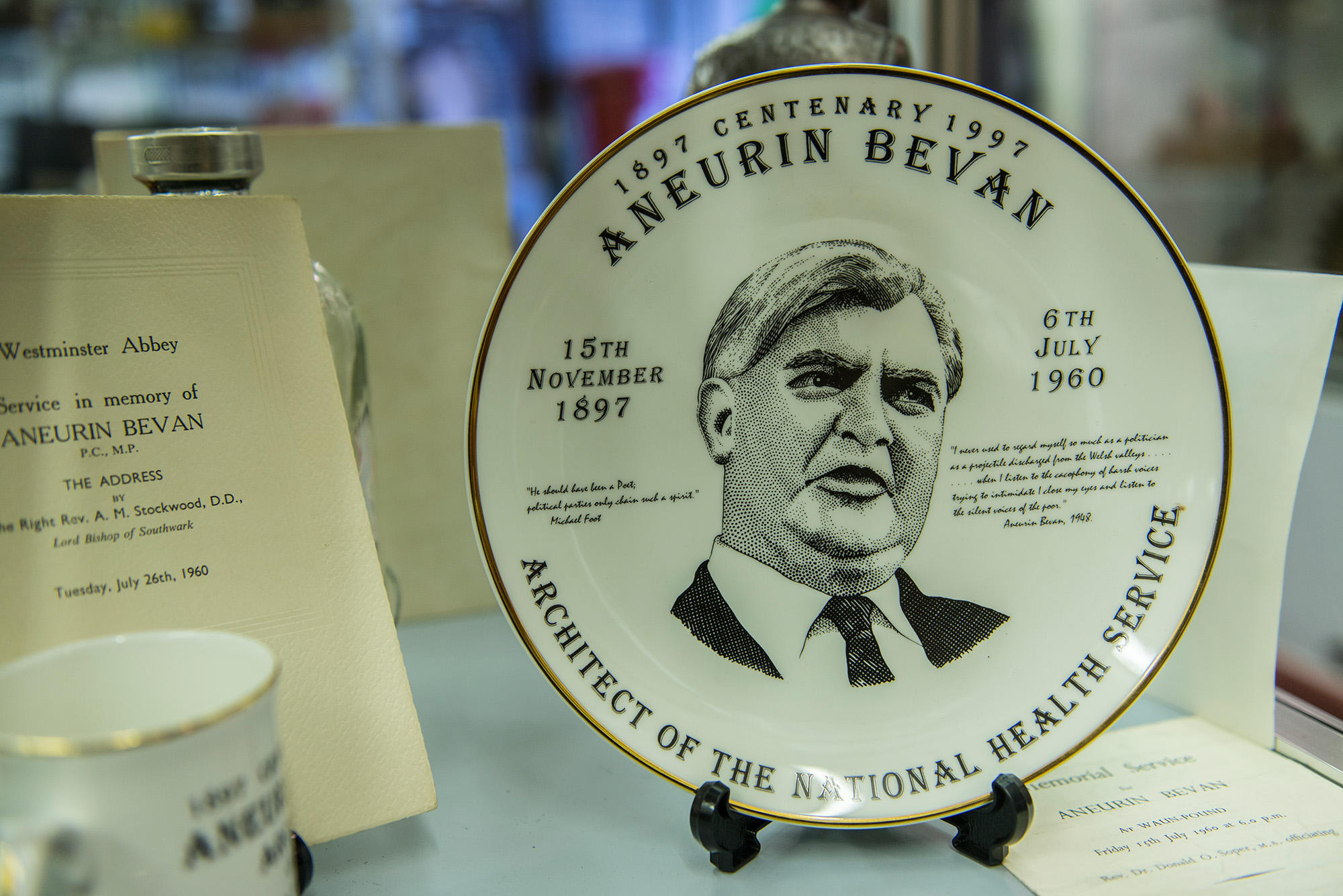
- Tredegar Museum – Tells the story of the iron works, the imposing town clock and Nye Bevan, the local MP who went on to set up the National Health Service across the UK – there is an itinerary exploring this story.
- Brynmawr Museum - The 'Brynmawr Experiment' was an attempt by the Quakers to relieve the mass unemployment in the town of Brynmawr, south Wales in the early 1920s. They set up a small furniture-making enterprise that led to a major chapter in the social and artistic history of Wales – the Brynmawr Museum has a great display of this furniture that was sold a large department stores across the UK.
- Abertillery Museum – The coal industry ensured that Abertillery was a very busy commercial centre – the museum tells the story of the area from pre history to modern days.

A day around Tredegar, Ebbw Vale and Six Bells
Guardian towers above the village of Six Bells and is the Guardian Mining Memorial. It commemorates the 1960 Six Bells mining disaster and was unveiled in 2010.
The General Office, Ebbw Vale, holds the Gwent Archives & Ebbw Vale Works Museum
Bedwellty House and Park – home to the iron masters and later where Nye Bevan started his politcial career. Surrounded by lovely parkland - there are concerts in the Bandstand each Sunday throughout the summer.
Stretch your legs with a walk arund the lake at Parc Bryn Bach.
More Itineraries

Newport and Caerleon
Visit Roman remains and stately homes, and enjoy an oasis of calm at a tranquil nature reserve.
Scenic Routes
Be inspired to explore the region with your camera or sketchbook

Blaenavon to Newport
Early industry, tours 100m underground, steam trains, Chartists, stately home, Romans and a unique bridge.