About the area
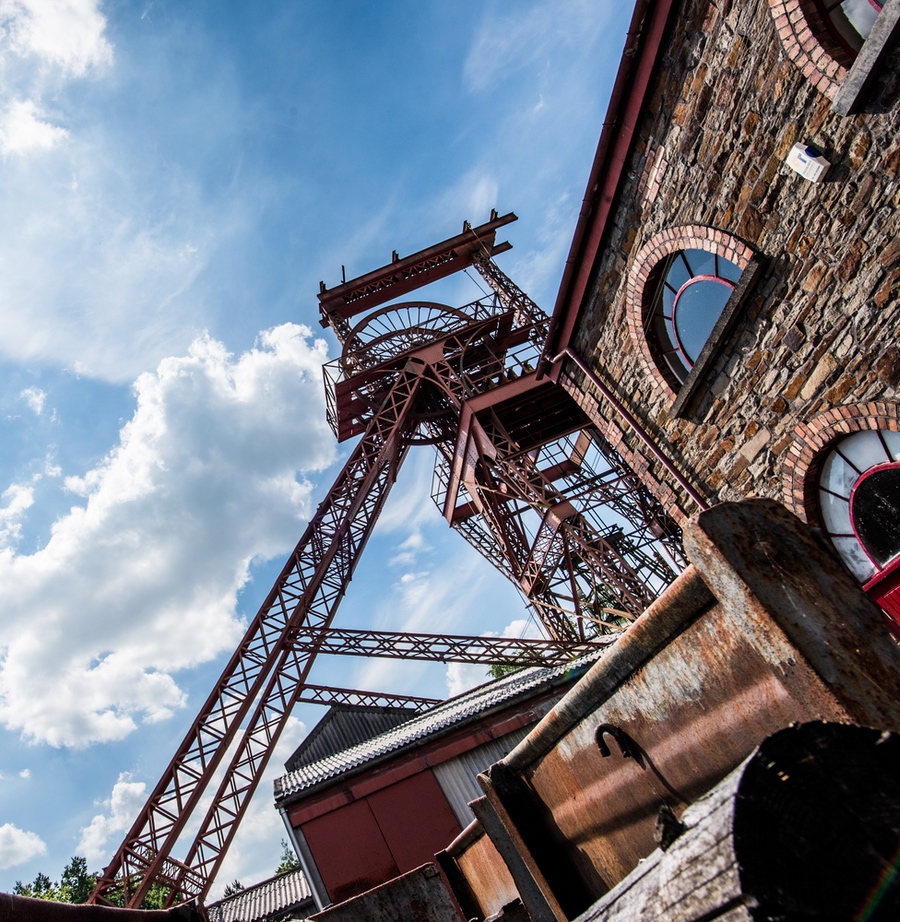
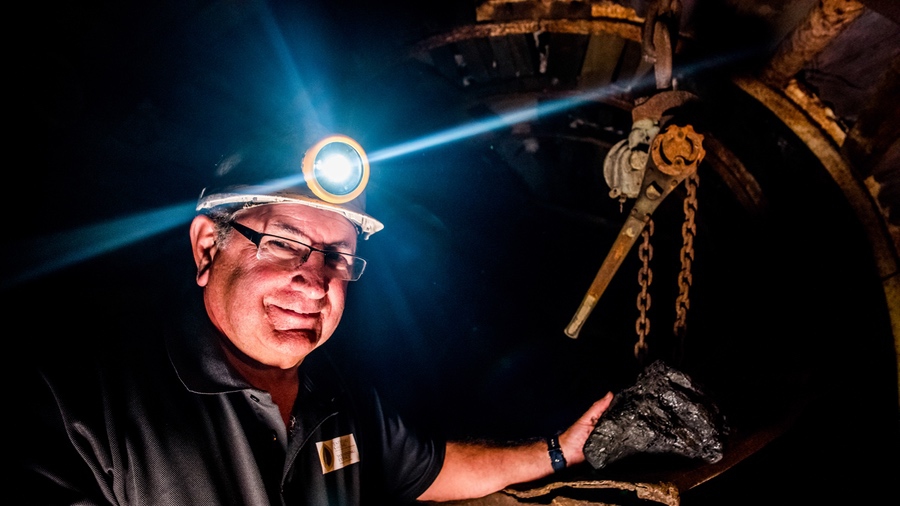
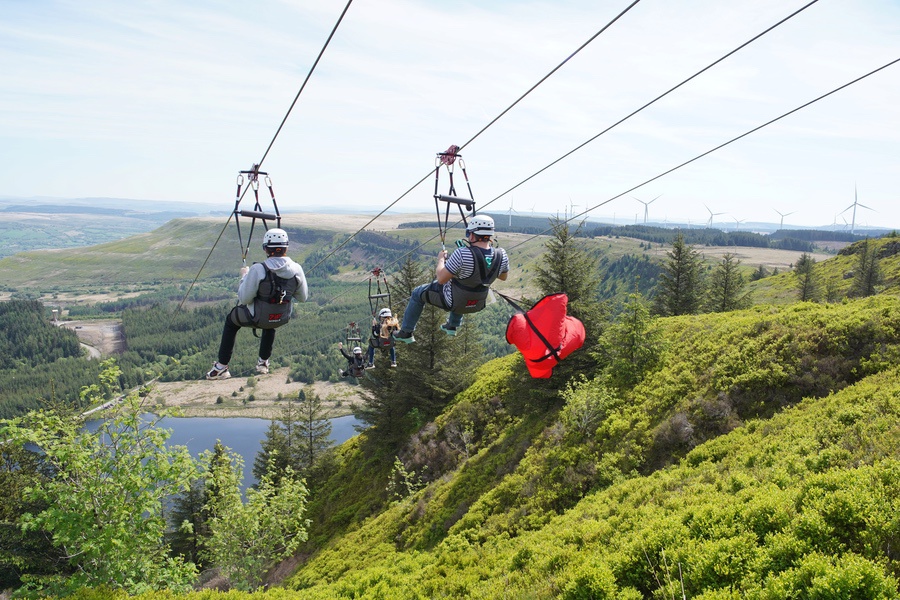
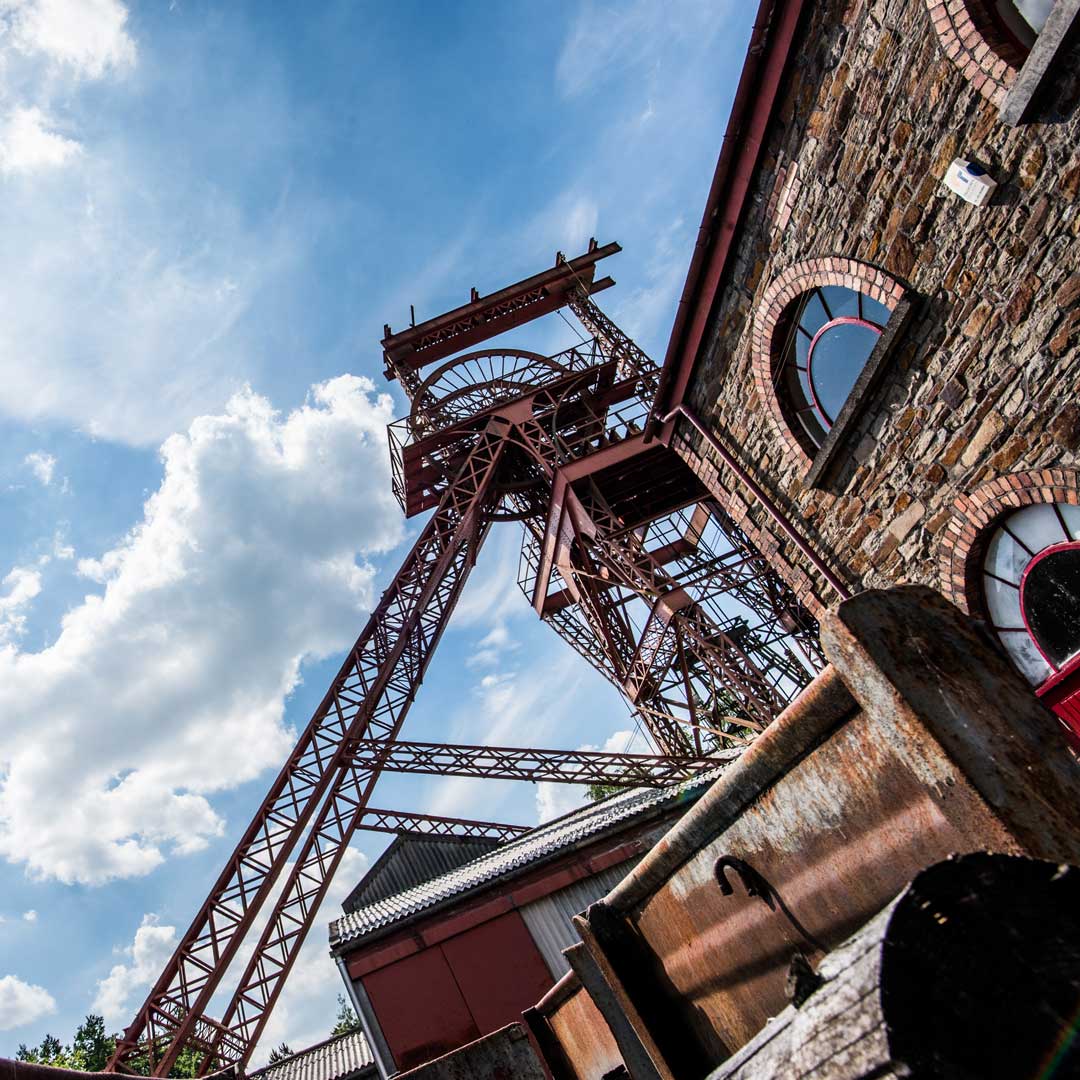
Home of Coal, often known as Black Gold, the Rhondda Valleys show how communities developed around the mines. You can explore what it was like to be a miner at A Welsh Coal Mining Experience; Rhondda Heritage Park where there is also a brilliant café. The marks of former mining have mainly been removed and replaces with country parks like Barry Sidings and Dare Valley Country Park which are great for activities. In the north you will find ZipWorld Tower, where you can fly over the remains of the last deep coalmine.
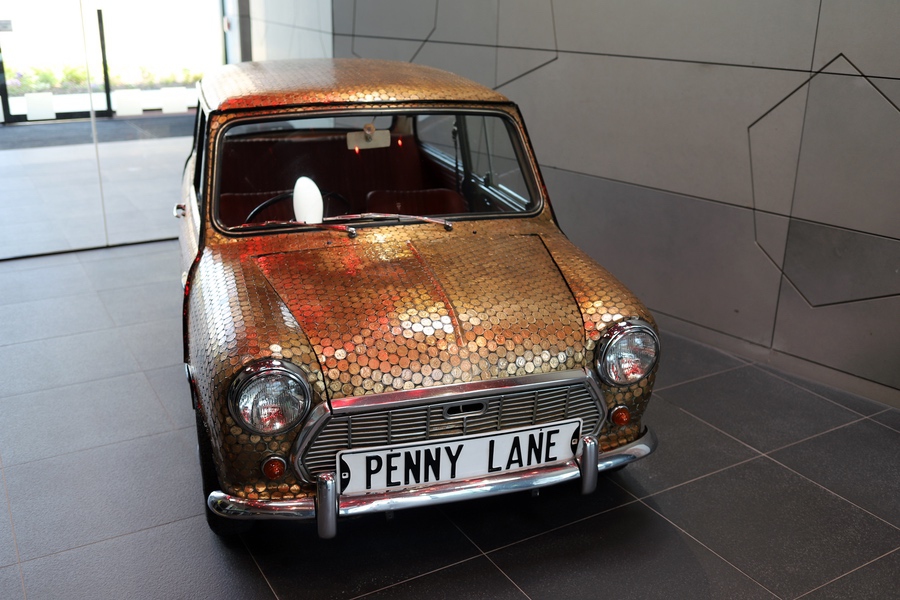
A unique attraction to visit is the Royal Mint Experience where you can discover the story of coins and see how modern coins and medals are minted. The nearby town of Llantrisant is an ancient community on the hilltop, where Beating the Bounds takes place every 7 years, and the church, Guildhall and castle are great to explore.
The area has some really interesting hotels and unusual alternate places to stay, great bases for your visit.
Fascinating Facts


Location
Places in
Rhondda Cynon Taff

Aberdare is an iron and coal town, established around the Church of St John the Baptist, which dates to at least 1189. The town has a rich cultural heritage, including the birthplace of Caradog (Griffith Rhys Jones), a famous the conductor and hosting the first National Eisteddfod in 1861. Explore the areas past at Cynon Valley Museum, alongside the furnaces of Gadlys Ironworks.
Hirwaun developed around the ironworks which produced cannons used on HMS Victory. The focus changed to coal, and nearby Tower Colliery was the last deep mine in Wales following the miners’ strike. Having been privately operated, it is now the base for Tower Zip World. Nearby you can also visit the original Penderyn Distillery and see how Welsh Whisky is created.
Llantrisant is on the hill above the modern shopping area and dates to the 6th century. There is a castle, the Guildhall, an early church and lots of interesting buildings. The tradition of “beating he bounds” still takes place and there is a statue of Dr William Price, a medical doctor and druid who was a pioneer of cremation. In the modern part of the town, you will find the Royal Mint, where you can see how coins and medals are made and discover the story of coinage.
Pontypridd is known for the Old Bridge which spans the River Taff. Built in 1756 by William Edwards, it took 4 attempts before this single span arch bridge was strong enough to resist the force of the water. It was a busy coal and transport town and is famous for The Welsh national anthem Hen Wlad Fy Nhadau ('The Land of my Fathers') being composed here by local poets/musicians Evan James and James James. Visit the museum and the Grogg Shop.
Tonypandy was a coal town in the Rhondda. The Tonypandy riots of 1910 and 1911 were confrontations between miners and the police around the Cambrian Combine, a cartel of mining companies. In 1936 it was the site of the Battle of De Winton Field, a significant antifascist confrontation. You can experience the life of a coal miner at Rhondda Heritage Park; A Welsh Coal Mining Experience and visit the religious site of Penrhys.