About the area
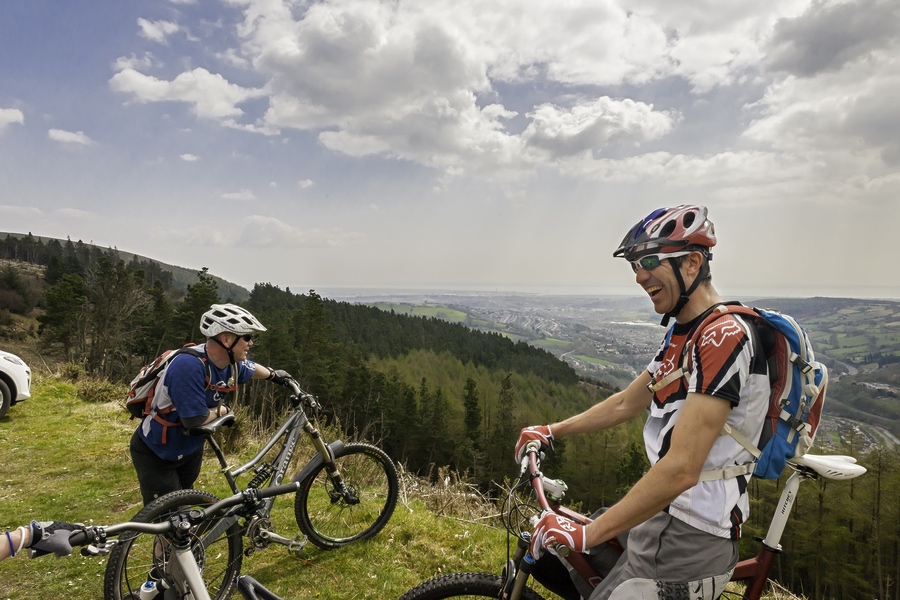
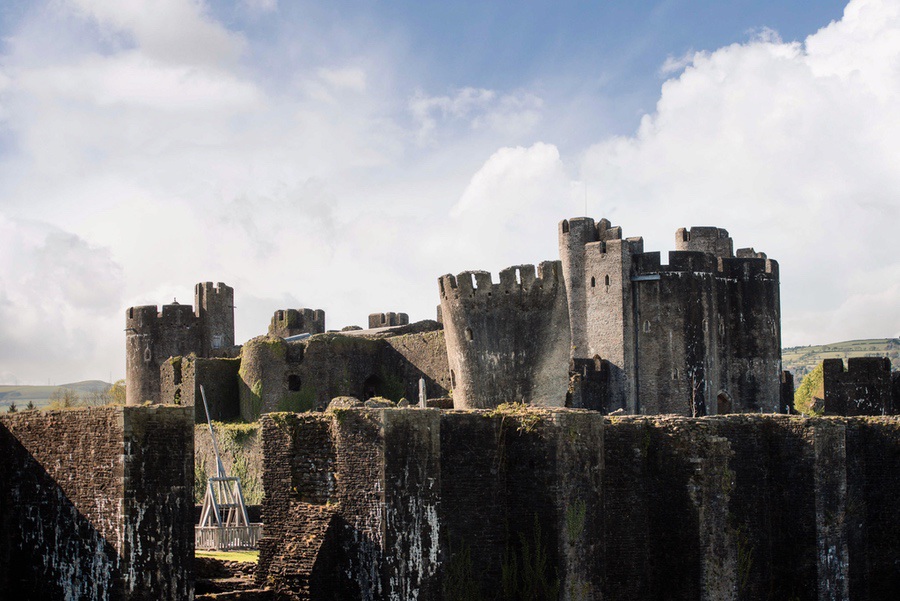
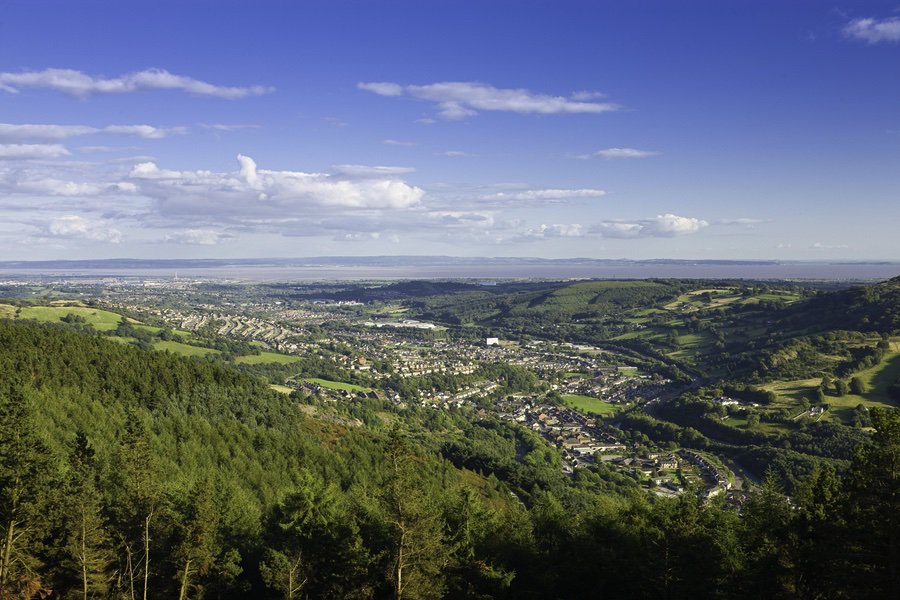
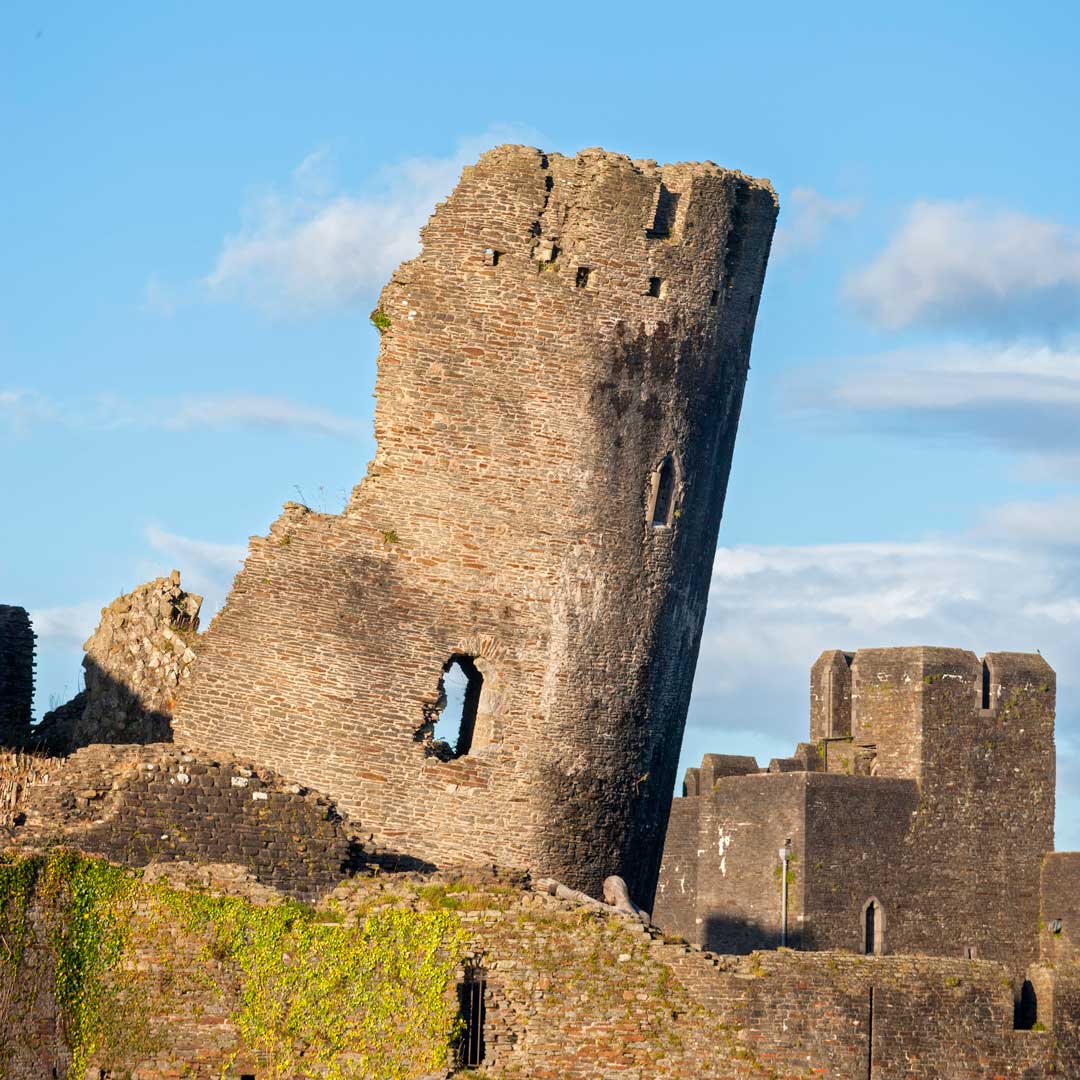
Caerphilly town, with its imposing castle is at the heart of this area. An area in the heart of the Valleys Caerphilly has a rich history with Roman remains at Gelligaer as well as in Caerphilly; the largest castle in Wales, with its own leaning tower that dates back to 1268 in its current form and the Welsh National and Universal Mining Memorial Garden in Senghenydd which remembers the worst UK mining disaster (where 439 died in 1913) and over 150 other mining disasters across Wales. Although this had been an important coal mining area you will find it hard to find any remains, as the area has been regreened and is great for walking with numerous country parks and the stunning Cwmcarn Forest where you can walk up to the Iron Age fort of Twmbarlwm or enjoy mountain biking.
There are a selection of hotels and guest houses as well as unusual retreats.
Fascinating Facts


Location
Places in
Caerphilly

Blackwood, a coal town, was at the heart of the Chartist movement, with Zephaniah Williams, one to the leaders, being from here, regular meetings taking place at the Coach & Horses pub, and the march assembling here in 1839 to march on Newport. Around the town you will find reminders of the part that this community played in getting the vote. Nearby at Gelligroes Ol Mill, in 1912, amateur wireless enthusiast Artie Moore, heard the Titanic distress signals.
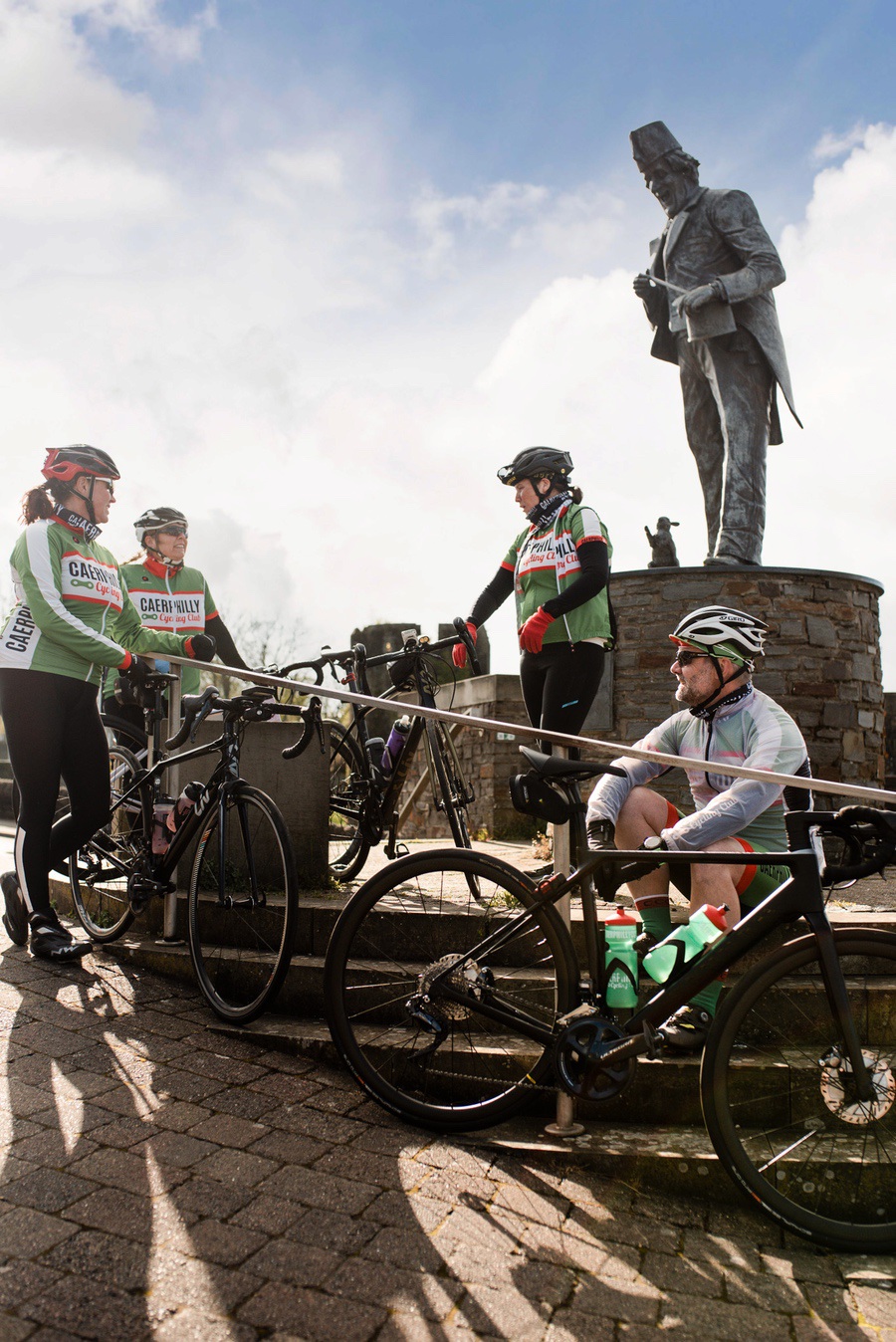
Caerphilly, renowned for the largest castle in Wales (2nd largest in Britain), holds a strategic location, that was recognised by the Roman’s who built a fort here in around AD75. Work on the castle started in 1268 and it went on to experience many attacks and developments. Nearby at Senghenydd, is a memorial to the Senghenydd Explosion which killed 439 miners in 1913; it is part of the National Mining Memorial. Caerphilly is also famed for its Cheese – so there are 2 food festivals each year.
Crumlin was the northern terminus of the Monmouthshire Canal, which ran through Fourteen Locks to the north of Newport. It’s most famed for the Crumlin Viaduct which was an extension of the Newport, Abergavenny and Hereford Railway and spanned the valley at a height of over 60 metres. It featured in the film Arabesque with Sophia Loren and Gregory Peck. The pit head buildings of the Navigation Colliery remind us of the coal industry as does the Kenneth and Oliver Budd mosaic mural in the town.
Rhymney was an iron town and where the Rhymney Brewery was set up to supply the ironworkers (beer was said to be safer than water); it became the largest brewer in Wales and adopted the famous hobby horse logo. To the north of the town is a small community named Bute Town that was a model village built for the industrial workers.
Ystrad Mynach was a coal mining centre but its history goes back much further. On Gelligaer Common are signs of Broze Age settlers and later Beaker Folk. In the community of Gelligaer there are remains of 2 Roman forts (one wood and a later stone site), the 13th century St. Catwg’s Church and Llancaiach Fawr Manor House that was lived in by the Pritchard family who played a key part in the Civil War, changing from Royalist to Parliamentarian. There is also the site of an early charitable schools, set up by Edward Lewis upon his death.