Merthyr i Gaerdydd
Follow the iron and coal from Merthyr Tydfil to Cardiff
This valley changed from being a wooded valley with scattered farmsteads to the powerhouse of the world. Whilst we know about the harm that coal burning caused to the world, it is still a fascinating story to explore.
A guide will help to bring the stories of the area to life – check out the Wales Official Tour Guides who are all trained and have a wealth of experience to draw on.
Following the route of the Glamorgan Canal, that was built to take the iron to the docks, you pass the site of the Aberfan disaster 1966, where 144 people (including 116 children) were killed when a coal tip collapsed on the school.
There are plenty of lunch and refreshment stops either at the suggested places to visit or en route - contact Southern Wales Tourism for assistance in finding the right location for your group.
Merthyr Tydfil to Cardiff
Day 1: Merthyr Tydfil – Iron Capital of the World
Merthyr Tydfil is named after Tydfil, the daughter of King Brychan. Renowned as the “Iron Capital of the World” after the establishment of a group of cutting edge ironworks – Dowlais, Plymouth, Cyfarthfa and Penydarren, from the 1750’s. Two dynasty’s drove the industrial story – the Guests and the Crawshays.
Around Merthyr Tydfil there are many reminders of the industrial past (here is a great walk that picks up many of the sites) including remains of the canal, the route of the first steam engine to pull a load and many buildings. The Virtual tour of Merthyr Tydfil will give you lots of ideas. And local historians can lead you on tours that explore the history in-depth.
Ideas for places to visit:
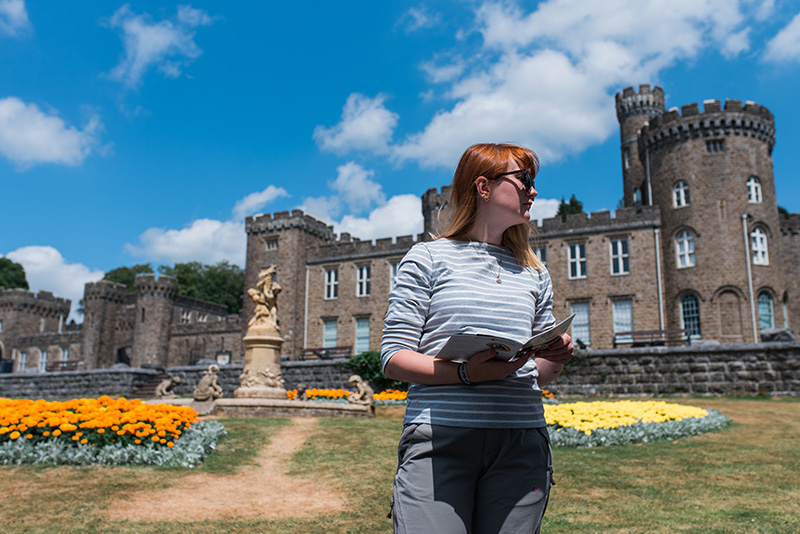
- Cyfarthfa Castle Museum and Art Gallery – the home of the Crawshay family that now shows the history of the town.
- St Gwynno’s & Old Vaynor Church – where ironmaster Robert Thompson Crawshay is buried under a huge quarry slab inscribed with ‘God forgive me’.
- Joseph Parry’s Cottage - Birthplace of one of Wales’ best known musicians & composers
- Brecon Mountain Railway – steam into the Brecon Beacons.
Day 2: Pontypridd
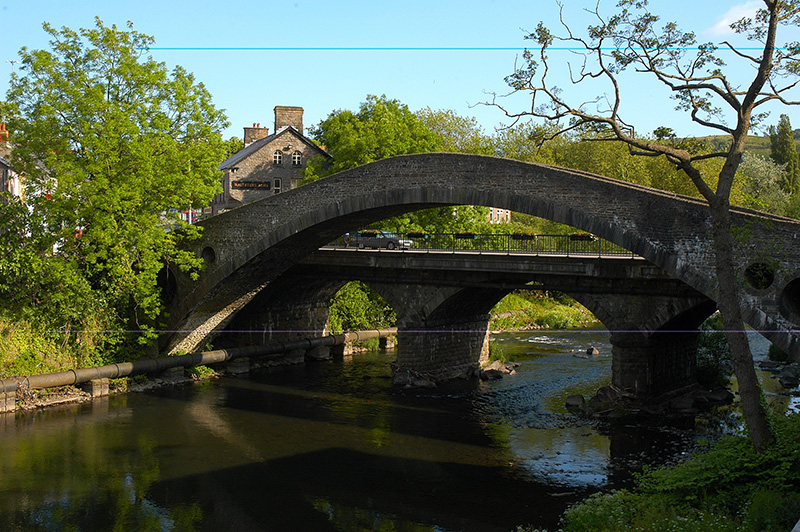
At the start of the Rhondda Valleys, Pontypridd developed around the coal industry. Before industry arrived, there were farms scattered around the area, and the imposing Old Bridge was a key crossing point. Built by William Edwards in 1756 it took 4 attempts to construct what was the longest single-span bridge in the world.
Ideas for places to visit:
- Understand the history of the area at Pontypridd Museum.
- Discover the story of coal at A Welsh Coal Experience – Rhondda Heritage Park.
- Ynysanghard War Memorial Park – which includes Lido Ponty and also a monument to the Composers of the Welsh National Anthem, ‘Hen Wlad Fy Nhadau’, Evan and James James.
- Try out local produce including Welsh cakes at the Pontypridd Market Quarter.
- Take a walk around Pontypridd Common – past the Rocking Stone and discover the eccentric story of Dr William Price who championed science, Chartism and cremation.
Day 3: Into Cardiff
Continue following the general route of the Glamorganshire Canal (now A470). At Nantgarw you can see a section of the canal as you visit Nantgarw China Works and Museum, where the best porcelain ever created in the UK was made for a few short years. A great group visit.
The canal, and later the trains, wound their way through the city, past the castle to the docks in Bute Town, where a cosmopolitan community from around the world grew up, an area known as “Tiger Bay”.
Places to visit:
- A walk around Cardiff Castle and Bute Park will include some remains of the canal.
- Your guide can take a route to Cardiff Bay that includes the route of the canal and the early dock structures. A guided walk around Cardiff Bay will bring the history and the stories of the people who made the area to life.
- You can explore the area from the sea on one of the boat trips. - there are a number of different operators offering peaceful tours or speed boat adventures. You can event take a boat trip from Bute Park, next to Cardiff Castle to Cardiff Bay.
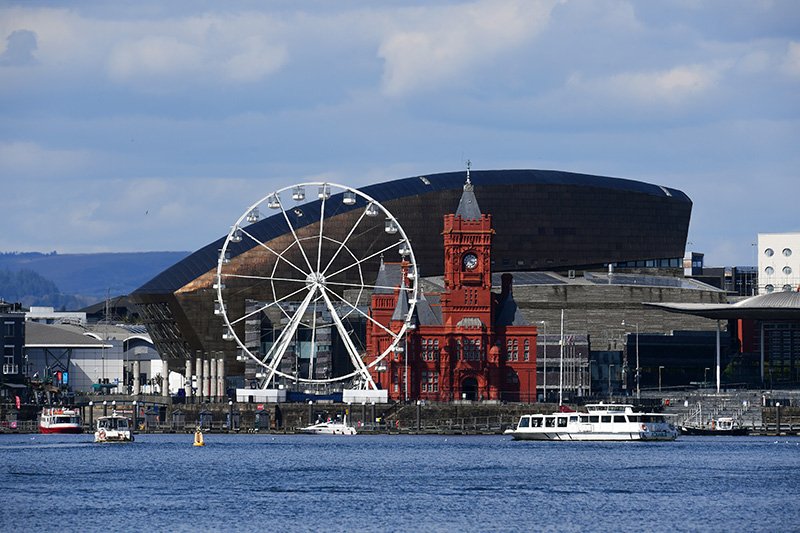
- Imposing historic buildings include the Pierhead Building and the Coal Exchange which is now a hotel.
- The Norweigan Church and Craft in the Bay are both located in buildings with a fascinating past.

Merthyr i Gaerdydd
Cyfarthfa Castle was the home of the Crawshay ironmasters, now the museum will give you a fascinating incite into the areas past.
Take a tour and follow in the footsteps of the miners who once worked at the Lewis Merthyr Colliery, in heart of the Rhondda Valley.
Discover the story of this famed porcelain that was only produced between 1813 and 1820 - said to be best ever made. You can also see how the secret recipe has been recreated and modern ceramics are being created.
Y bwthyn a oedd yn gartref i un o gyfansoddwyr gorau Cymru, Joseph Parry
Located in the Tabernacle Welsh Baptist Chapel next to Pontypridd Bridge, Pontypridd Museum tells the story of an area transformed, from a quiet Valleys community to a thriving industrial town at the heart of the South Wales coalfield.
The last resting place of Merthyr Tydfil ironmaster Robert Thompson Crawshay. The grave is topped with a huge quarrystone slab, which bears the inscription ‘God forgive me’.
Once the longest single span bridge in the world, it was built at the lowest crossing point of the River Taff, in the middle of the countryside - Pontypridd developed around it.
Cardiff Bay was the end of the canal route - the largest and busiest coal port. This guided walk will explore the history of the area.
Steam into Bannau Brycheiniog (Brecon Beacons) National Park along the route of a former industrial railway.
A green space in the centre of this busy town.
Explore the best craft made in Wales at Craft in the Bay - hosted in one of the D Sheds that would have held materials bought to Cardiff on the Glamorganshire Canal.
A modern market in an historic building.
An optional extra - a boat trip around the Bay.
This walk around the Common gives you a further insight into the near and distant history of the area.
Mwy o Deithlenni
.jpg)
Un diwrnod yn unig yng Nghaerdydd
Profiwch rai o’r pethau gorau sydd gan Gaerdydd i’w cynnig - amgueddfeydd, castell a lleoliadau perfformio eiconig.

Blaenafon i Gasnewydd
Diwydiant cynnar, teithiau 100m o dan y ddaear, trenau stêm, Siartwyr, plasty, Rhufeiniaid a phont unigryw.
.jpg)
Tredegar - Cartref y GIG
Mae'n honiad mawr, ond mae gwreiddiau ein Gwasanaeth Iechyd Gwladol annwyl yma yn Nhredegar.